

What are the differences between a concrete - filled steel tube bridge frame and a pure steel bridge frame?
Nov 17, 2025
Leave a message
Hey there! As a bridge frame supplier, I've had my fair share of dealing with different types of bridge frames. One question that often pops up is, "What are the differences between a concrete - filled steel tube bridge frame and a pure steel bridge frame?" Well, let's dive right in and break it down.
Structural Characteristics
First off, let's talk about the structural side of things. A pure steel bridge frame is, as the name suggests, made entirely of steel. Steel is a super versatile material. It's got high strength, which means it can handle a lot of weight and stress. It's also pretty flexible, allowing for all sorts of creative bridge designs. Whether it's a long - span suspension bridge or a simple beam bridge, pure steel can get the job done.
On the other hand, a concrete - filled steel tube bridge frame combines the best of both worlds. The steel tube provides the outer shell, which offers great ductility and resistance to bending. Inside the tube, there's concrete. The concrete helps to increase the load - carrying capacity of the frame. It also restrains the steel tube from buckling, which is a big plus. This combination makes the concrete - filled steel tube bridge frame really strong and stable, especially for large - scale bridges.
Durability
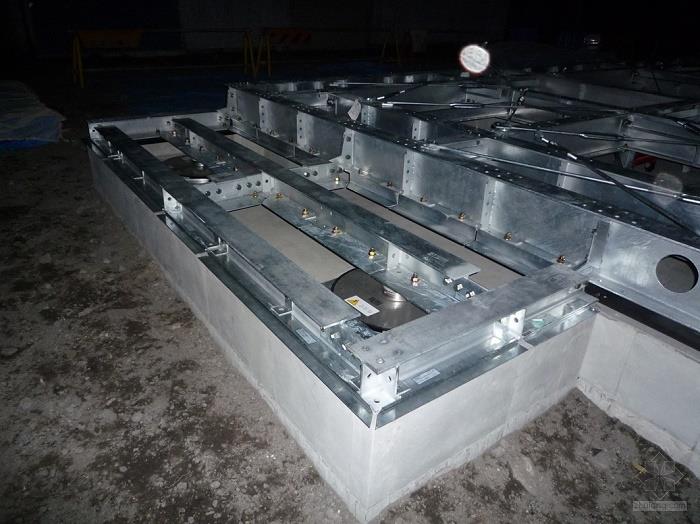
Durability is a key factor when it comes to bridge frames. Pure steel bridge frames are durable, but they're susceptible to corrosion. Over time, exposure to the elements, like rain, snow, and humidity, can cause the steel to rust. This not only affects the appearance of the bridge but also weakens its structure. To combat this, we often use coatings or Hot Dipped Galvanized Frame techniques. Galvanizing involves coating the steel with a layer of zinc, which acts as a sacrificial anode, protecting the steel from rust.
Concrete - filled steel tube bridge frames, however, have an extra layer of protection. The concrete inside the tube shields the steel from direct contact with the environment. This significantly reduces the risk of corrosion. Also, the concrete itself is quite durable. It can withstand a lot of wear and tear, making the overall bridge frame last longer with less maintenance.
Cost
Cost is always a consideration in any construction project. Pure steel bridge frames are generally more expensive upfront. Steel is a relatively costly material, and the manufacturing process can be complex. However, they have some cost - saving advantages in the long run. Since they're lighter than concrete - filled steel tube bridge frames, they require less foundation work. This can save on construction costs. Also, they can be pre - fabricated off - site, which speeds up the construction process and reduces labor costs.
Concrete - filled steel tube bridge frames, while having a lower risk of corrosion and higher durability, can be more expensive to construct. The cost of the concrete, along with the additional steps of filling the steel tubes, adds to the overall cost. But if you're looking at a long - term investment, the reduced maintenance costs over the life of the bridge might offset the initial higher cost.
Aesthetics
Aesthetics play a role in bridge design too. Pure steel bridge frames can have a sleek and modern look. They can be designed in all sorts of shapes and forms, from minimalist to more elaborate designs. The smooth surface of the steel gives the bridge a clean and contemporary appearance.
Concrete - filled steel tube bridge frames, on the other hand, have a more solid and robust look. The combination of steel and concrete gives them a more substantial and industrial feel. They can blend well with the surrounding environment, especially in industrial areas or large - scale infrastructure projects. If you're into that Industrial Metal Frame aesthetic, these frames might be the way to go.

Installation and Construction
When it comes to installation, pure steel bridge frames have an edge. They're lighter, so they're easier to transport and install. They can be assembled quickly on - site, which is great for projects with tight deadlines. The pre - fabrication process also means that the parts can be made to precise specifications, ensuring a smooth installation.
Concrete - filled steel tube bridge frames are a bit more complicated. Filling the steel tubes with concrete requires careful planning and execution. The concrete needs to be poured evenly to ensure proper bonding with the steel. This process can take more time and labor, which can slow down the construction schedule.
Applications
Pure steel bridge frames are commonly used in a variety of applications. They're great for small to medium - sized bridges, like pedestrian bridges or short - span road bridges. They're also suitable for temporary bridges, such as Bailey Bridge 45 Frame, which can be quickly assembled and disassembled as needed.
Concrete - filled steel tube bridge frames are often used in large - scale infrastructure projects. They're ideal for long - span bridges, such as highway overpasses or large river crossings. Their high strength and stability make them a reliable choice for these types of demanding applications.
Conclusion
So, there you have it! The differences between a concrete - filled steel tube bridge frame and a pure steel bridge frame are quite significant. Each type has its own advantages and disadvantages, and the choice depends on various factors like the project's budget, location, design requirements, and expected lifespan.
If you're in the market for a bridge frame and need some advice, don't hesitate to reach out. As a bridge frame supplier, I've got the knowledge and experience to help you make the right choice for your project. Whether you're looking for a sleek and modern pure steel frame or a strong and durable concrete - filled steel tube frame, I can provide you with high - quality products and excellent service. Let's talk and see how we can work together to build the perfect bridge for you.
References
- "Steel Bridge Design Handbook"
- "Concrete - Filled Steel Tubular Structures: Theory and Design"