

What are the environmental impacts of bridge frames?
Nov 27, 2025
Leave a message
Hey there! I'm a supplier of bridge frames, and I've been in this industry for quite some time. Over the years, I've seen firsthand how bridge frames can have both positive and negative impacts on the environment. In this blog post, I'm gonna break down these environmental impacts, so you can have a better understanding of what goes on when we build bridges.
1. Positive Environmental Impacts
1.1 Reducing Traffic Congestion
One of the major perks of building bridges is that they can help reduce traffic congestion. When we construct a new bridge, it provides an alternative route for vehicles, which means less traffic on existing roads. For example, a well - placed bridge across a river can divert a significant number of cars and trucks from congested city streets. This reduction in traffic not only saves time for commuters but also has environmental benefits. Fewer cars idling in traffic jams means lower emissions of greenhouse gases like carbon dioxide (CO₂), nitrogen oxides (NOₓ), and particulate matter. According to a study by the Environmental Protection Agency (EPA), traffic congestion can increase vehicle emissions by up to 30%. So, by building bridges, we're indirectly helping to clean up the air we breathe.
1.2 Promoting Sustainable Transportation
Bridges can also play a crucial role in promoting sustainable transportation options. Many modern bridges are designed to include dedicated lanes for bicycles and pedestrians. This encourages people to choose non - motorized modes of transport, which have zero emissions. For instance, the Golden Gate Bridge in San Francisco has a walkway and a bike path. Thousands of people use these paths every day to enjoy the scenic views and get some exercise while reducing their carbon footprint. By providing safe and accessible routes for cyclists and pedestrians, bridges contribute to a more sustainable and environmentally friendly transportation network.
1.3 Economic Development and Environmental Protection
Building bridges can stimulate economic development in an area. When a new bridge is constructed, it can open up new areas for business, tourism, and housing. This economic growth can, in turn, lead to more investment in environmental protection initiatives. For example, with increased tax revenues from a booming local economy, a city might be able to afford better waste management systems, more parks, and cleaner water treatment facilities. In some cases, bridge construction projects are even required to include environmental mitigation measures as part of their permitting process, which helps to protect local ecosystems.
2. Negative Environmental Impacts
2.1 Habitat Destruction
One of the most significant negative impacts of bridge construction is habitat destruction. When we build a bridge, we often need to clear large areas of land for the bridge approaches, support structures, and access roads. This can destroy natural habitats for plants and animals. For example, if a bridge is being built across a wetland, the construction process can disrupt the delicate ecosystem that exists there. Wetlands are home to a wide variety of plant and animal species, many of which are endangered or threatened. The destruction of these habitats can lead to a loss of biodiversity, which is a major environmental concern.
2.2 Water Pollution
Bridge construction can also cause water pollution. During the construction process, sediment and debris can be washed into nearby water bodies. This sediment can cloud the water, reducing the amount of sunlight that reaches aquatic plants. Without enough sunlight, these plants can't photosynthesize properly, which can disrupt the entire food chain in the water. Additionally, construction activities may involve the use of chemicals such as paints, solvents, and lubricants. If these chemicals are not properly managed, they can leak into the water and contaminate it. For instance, heavy metals like lead and mercury can be extremely toxic to aquatic life.
2.3 Noise and Air Pollution
The construction of bridge frames generates a significant amount of noise and air pollution. Heavy machinery such as cranes, bulldozers, and pile drivers are used during the construction process, and these machines can produce loud noises that can disturb local wildlife and human residents. Prolonged exposure to high - level noise can cause stress, hearing loss, and other health problems in both animals and humans. In terms of air pollution, the operation of these machines releases pollutants such as particulate matter, carbon monoxide, and volatile organic compounds (VOCs). These pollutants can have a negative impact on air quality and human health, especially for people living in the vicinity of the construction site.
3. Our Solutions as a Bridge Frame Supplier
3.1 Using Sustainable Materials
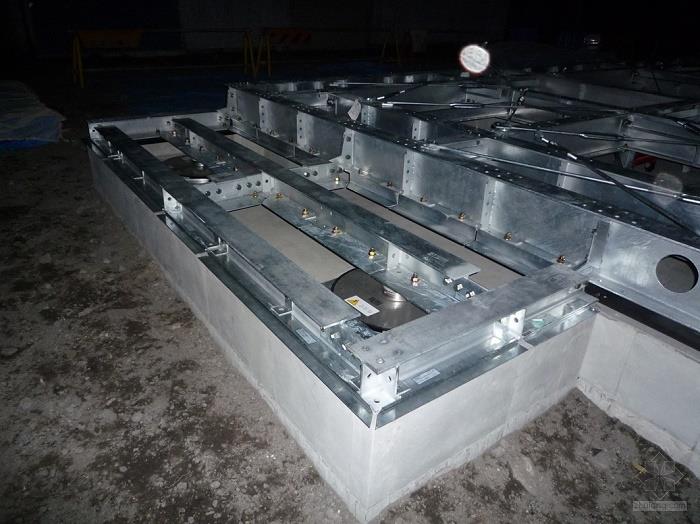
As a bridge frame supplier, we're committed to using sustainable materials in our products. We offer Industrial Metal Frame that are made from recycled steel. Recycling steel reduces the need for virgin materials, which in turn conserves natural resources and reduces energy consumption. Additionally, our Hot Dipped Galvanized Frame provides excellent corrosion resistance, which means a longer lifespan for the bridge frames. This reduces the frequency of replacements and ultimately lessens the environmental impact associated with bridge construction.
3.2 Implementing Environmental Management Plans
We work closely with our clients to develop and implement environmental management plans for bridge construction projects. These plans include measures to minimize habitat destruction, control water and air pollution, and reduce noise levels. For example, we use sediment control barriers during construction to prevent sediment from entering nearby water bodies. We also schedule construction activities at times when they will have the least impact on local wildlife, such as avoiding nesting seasons for birds.

3.3 Promoting Green Design
We encourage the use of green design principles in bridge construction. This includes designing bridges to be more energy - efficient, such as using solar panels to power lighting systems on the bridge. We also support the integration of green spaces on and around the bridge, such as rooftop gardens or vertical green walls. These green features can help to improve air quality, reduce the urban heat island effect, and provide additional habitats for wildlife.
4. Conclusion and Call to Action
In conclusion, bridge frames have both positive and negative environmental impacts. While they can contribute to reducing traffic congestion, promoting sustainable transportation, and stimulating economic development, they can also cause habitat destruction, water and air pollution, and noise pollution. As a bridge frame supplier, we're doing our part to minimize the negative impacts and maximize the positive ones.
If you're in the market for high - quality bridge frames that are both environmentally friendly and durable, we'd love to hear from you. Whether you're a contractor, an engineer, or a government agency, we can provide you with the right solutions for your bridge construction projects. Contact us to start a conversation about your needs and how we can work together to build a more sustainable future.
References
- Environmental Protection Agency (EPA). "The Impact of Traffic Congestion on Vehicle Emissions."
- Various research studies on bridge construction and environmental impacts from academic journals such as the Journal of Environmental Engineering and the Journal of Sustainable Transportation.